


Why Personal Care Homes Are an Excellent Option for Seniors Needing High-Level Care, Memory Care, or Hospice Support

Finding the right care setting for a loved one who requires high-level support can be challenging. Many families face tough decisions when considering options for seniors with complex health needs, memory loss, or those approaching end-of-life care. Personal care homes offer a unique solution that balances professional care with a warm, home-like environment. This post explores why personal care homes stand out as an excellent choice for seniors needing specialized attention and highlights Southern Comfort Senior Living as a prime example of quality care.
What Makes Personal Care Homes Ideal for High-Level Care
Personal care homes provide a smaller, more intimate setting compared to larger nursing facilities or assisted living communities. This smaller scale creates several advantages for seniors who need more intensive care.
Low Caregiver to Resident Ratio
One of the most important factors in quality care is the ratio of caregivers to residents. Personal care homes typically maintain a low ratio, meaning each resident receives more personalized attention. This is crucial for seniors who require frequent assistance with daily activities such as bathing, dressing, medication management, or mobility support.
For example, in a personal care home with only a handful of residents, caregivers can quickly notice changes in a senior’s condition and respond promptly. This level of attentiveness reduces risks such as falls, medication errors, or missed health concerns.
Individualized Care Plans
Because personal care homes serve fewer residents, they can tailor care plans to each individual’s unique needs. Unlike larger facilities where care can feel standardized or routine, personal care homes have the flexibility to adapt schedules, therapies, and activities based on what works best for each person.
This individualized approach is especially beneficial for seniors with memory care needs. Customized routines and familiar environments help reduce confusion and anxiety for those living with dementia or Alzheimer’s disease.
Comfortable, Home-Like Environment
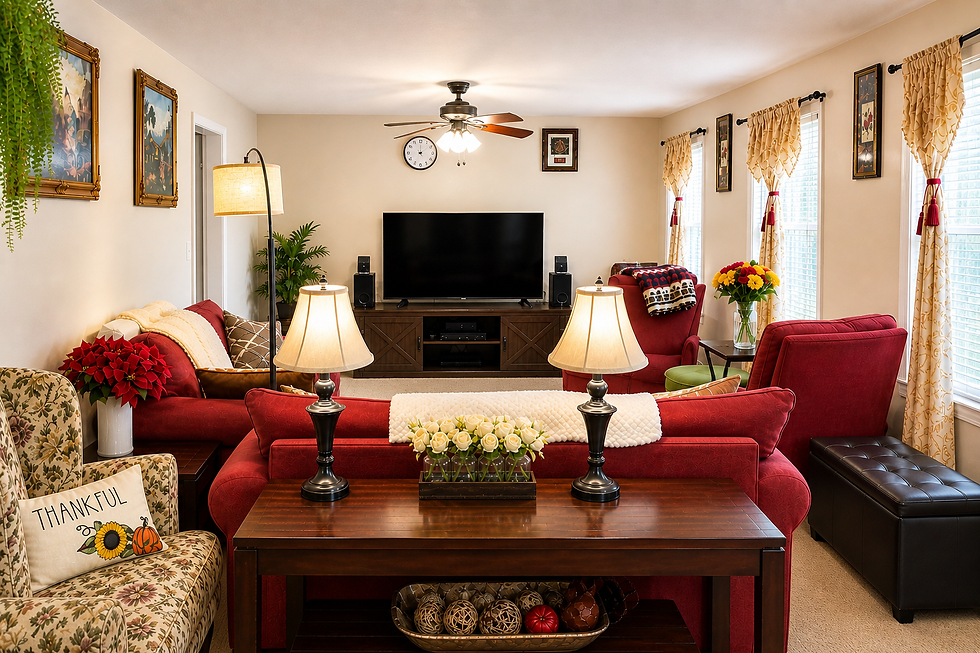
Many seniors thrive in environments that feel familiar and less institutional. Personal care homes often resemble private homes rather than hospitals or large care centers. This atmosphere promotes emotional well-being and can improve overall health outcomes.
The smaller community size encourages social connections among residents and staff, creating a supportive network that feels like family. This sense of belonging is vital for seniors facing cognitive decline or end-of-life challenges.
Why Personal Care Homes Are Well-Suited for Memory Care
Memory care requires specialized knowledge and a secure environment to keep residents safe while supporting their cognitive needs. Personal care homes can provide this level of care with a focus on dignity and respect.
Secure settings prevent wandering, a common risk for those with dementia.
Consistent caregivers build trust and familiarity, reducing stress.
Tailored activities stimulate memory and cognitive function without overwhelming residents.
Quiet, calm spaces help minimize confusion and agitation.
Because personal care homes have fewer residents, staff can spend more time engaging with each person, understanding their history, preferences, and triggers. This personalized attention makes a significant difference in quality of life.
Hospice Support in Personal Care Homes
End-of-life care demands compassion, comfort, and skilled medical support. Personal care homes can provide hospice services in a setting that feels peaceful and private.
Small resident numbers allow for more one-on-one care and family involvement.
Comfort-focused care prioritizes pain management and emotional support.
Familiar surroundings help reduce stress for both the resident and their loved ones.
Flexible visitation policies enable family members to spend meaningful time with their loved one.
Hospice care in a personal care home setting often feels less clinical and more like being cared for at home, which many families find comforting during difficult times.
Southern Comfort Senior Living: A Model of Quality Personal Care
Southern Comfort Senior Living exemplifies the benefits of personal care homes by focusing on quality over quantity. Unlike larger facilities, Southern Comfort limits its capacity to only three residents at full occupancy. This small size allows the staff to deliver truly individualized care and build deep relationships with each resident.
What Sets Southern Comfort Apart
Exclusive small community with only three residents ensures personalized attention.
Highly trained caregivers experienced in high-level care, memory support, and hospice.
Customized care plans developed in partnership with families and healthcare providers.
Warm, inviting home environment designed to feel safe and comfortable.
Strong focus on dignity and respect for every resident’s unique needs and preferences.
Families choosing Southern Comfort Senior Living can feel confident that their loved ones will receive compassionate, attentive care tailored to their specific health and emotional needs.
Practical Benefits for Families
Choosing a personal care home like Southern Comfort also offers peace of mind for families:
Regular communication keeps families informed and involved.
Reduced stress knowing loved ones are in a safe, supportive environment.
Flexibility to accommodate changing care needs without disruptive moves.
Support for family caregivers through respite care and professional guidance.
These benefits help families maintain balance while ensuring their loved ones receive the best possible care.


Comments